01
Make daily life easier
A layout and features matched to the way you move, communicate and use your home.
You may be eligible for NDIS funding for specialist housing and not know it. Our SDA specialists help you check eligibility, build the evidence, apply for funding and then find a suitable home in the area you want to live.
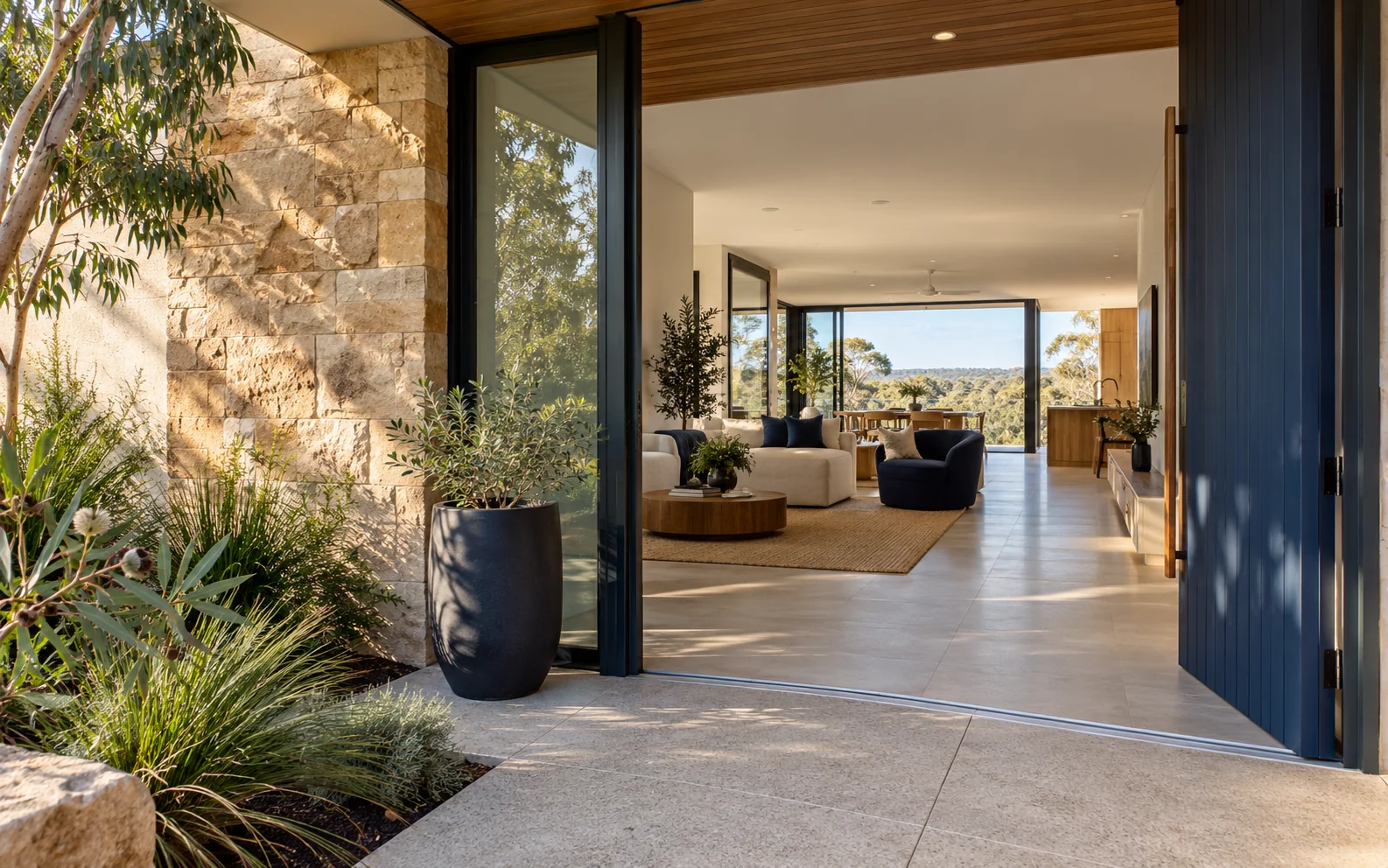
SDA is funding for the specialist accommodation component of your home. Depending on your needs and approved funding, that home could be an apartment, unit, townhouse or house designed to support greater safety, independence and better delivery of supports. SIL, ILO and Core supports are different: they fund the support workers and assistance you receive. SDA is about the home itself.
A layout and features matched to the way you move, communicate and use your home.
Space and design features that can help people and support workers manage high support needs safely.
Explore suitable options near the people, services and community that matter to you, subject to funding and availability.
Many people never explore SDA because they do not realise this type of NDIS housing funding exists. If your disability creates substantial housing or support needs, it may be worth checking. Eligibility is based on how your disability affects everyday life, the level of support you need at home and whether specialist housing is the right response. Your diagnosis alone does not decide it. Our SDA specialists can help identify whether SDA may fit, explain what evidence is needed and guide you through the funding pathway.
You do not need to know the design category, building type or funding pathway before you contact us. That is what we help you work through.
These are prompts for a conversation, not an eligibility test. Only the NDIA can decide whether to include SDA in your plan.
The right category depends on your individual support needs and the features that would make a home work for you.
Better physical access and features for people with sensory, intellectual or cognitive impairments. This might include clear visual contrast and layouts that support visibility.
A high level of physical access for people with significant physical challenges, such as someone who uses a wheelchair at home or cannot use steps.
Strong, durable homes designed to improve safety for residents and others. This may suit some people who need help managing complex behaviours.
High physical access with features for very high support needs, which may include ceiling hoists, backup power or home automation.
The NDIA considers your evidence and goals when deciding the design category, building type and location to fund. Read the NDIS explanation of SDA.
Our SDA specialists support the whole journey: screening eligibility, developing the evidence, helping with the funding application and then sourcing a suitable home once SDA is approved.
We look at your current home, functional needs and level of support to identify whether SDA may be worth pursuing and what assessment or evidence is needed.
Our occupational therapists assess function, review relevant reports and develop clear evidence for the specialist housing features, category and supports you need.
We help organise the evidence and guide you and your support team through the SDA funding request and NDIA process.
Once you are funded, our SDA specialists help you source suitable homes in your preferred location and within the design category, building type and location approved in your plan. We help you compare vacancies and work towards securing the right option.
Once SDA is in your plan, our SDA specialists help you search for and secure a suitable apartment, unit, townhouse or house that matches the category, building type and location you are funded for.
We look at where you want to live, the features you need, who you want to live with and how your supports will work in the home. We then help compare suitable vacancies and providers so you can make an informed choice.
No. SIL is funding for support worker services and assistance with daily life in the home. SDA is funding for the specialist accommodation itself — such as an apartment, unit, townhouse or house. Some participants have both SIL and SDA, but they are separate NDIS supports and are assessed separately.
No. SDA funding relates to the specialist accommodation. Residents generally pay a reasonable rent contribution and everyday costs, such as utilities and groceries.
Your goals and preferences matter. The NDIA considers needs when deciding what location, building type and design category to fund. Available homes also vary, so we help look for suitable options within those parameters.
That is a sensible place to start. Tell us about your current home and the support you need. We can discuss whether a formal assessment and SDA evidence may be useful, or whether another home and living pathway might fit better.
Tell us a little about your current situation and where you would like to live. We can help you work out whether SDA may be worth exploring and what the next step should be.